
Finding the best small bookcases for limited space usually comes down to two things, fit and flow, will it physically fit where you need it, and will it make the room feel tighter or more put-together.
If you have a studio, a narrow hallway, a tight home office corner, or a bedroom that already feels “full,” a bookcase can either fix your storage problem or create a new one. The trick is choosing the right type, then measuring like you mean it.
This guide breaks down what actually matters when shopping small, common sizing pitfalls, and a short list of small bookcase styles that tend to work in real American homes and apartments.
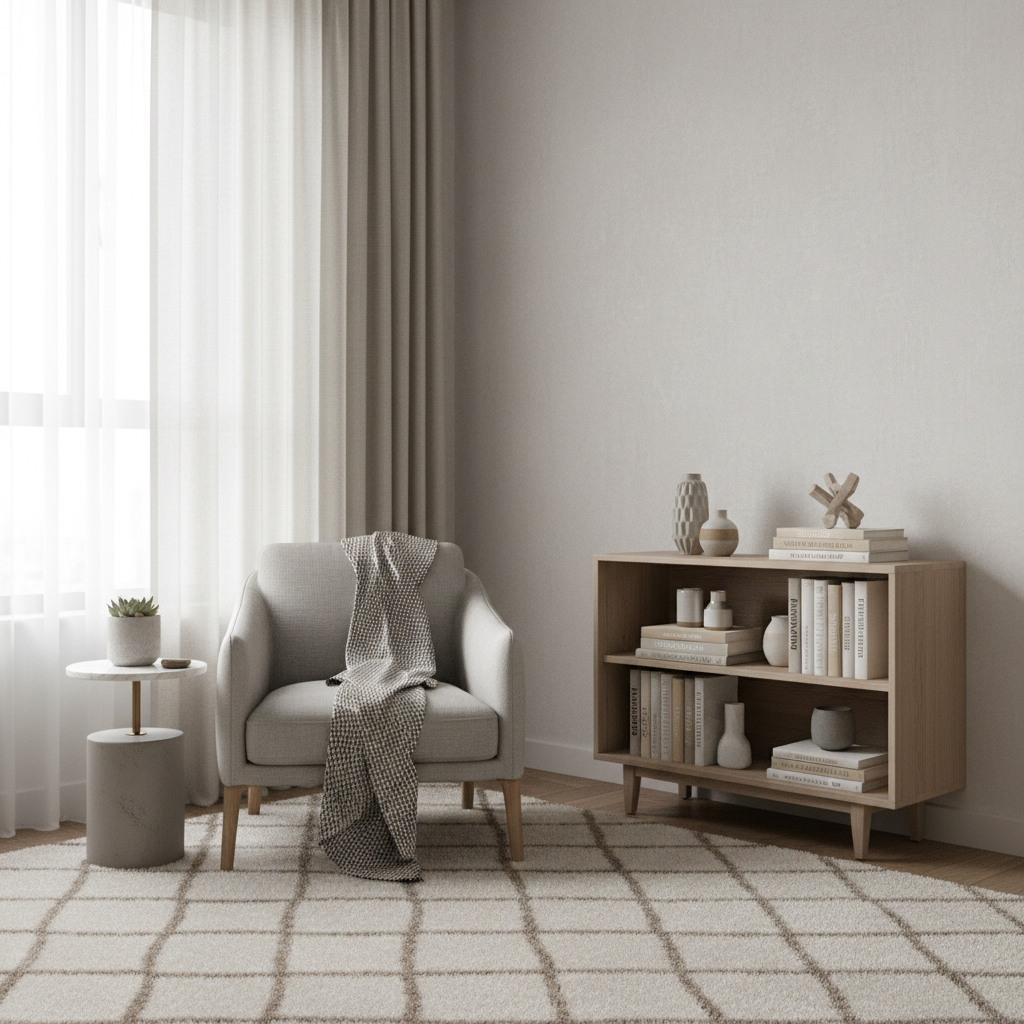
What “Limited Space” really means (and why most people buy the wrong size)
Limited space is not just square footage, it is also clearance. Door swings, baseboards, outlets, HVAC vents, and walking paths eat up more usable room than people expect.
A small bookcase that “fits” on paper can still feel wrong if it blocks light, crowds a desk chair, or forces you to sidestep around it every day.
- Floor footprint: width x depth, the part that steals walking room.
- Vertical space: height, often underused in apartments.
- Visual weight: dark finishes and bulky frames can feel bigger than the measurements.
- Access space: room to pull a book, open a door, or slide a basket out.
Quick measuring checklist before you shop
Before you look at styles, do a fast “reality check” on the spot where the bookcase will live. This avoids the classic mistake of buying something 2 inches too deep.
- Measure width, height, depth of the available area, then subtract 1–2 inches for breathing room.
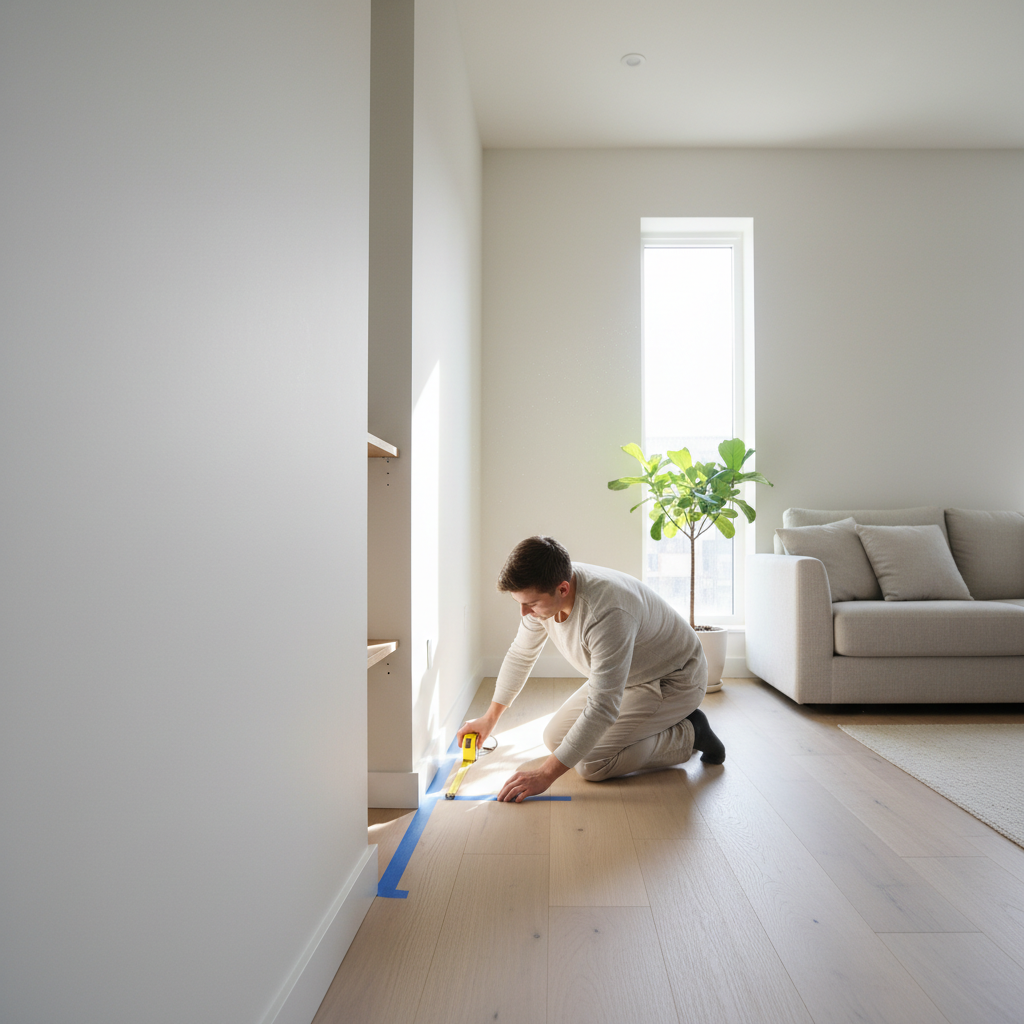
- Mark the depth on the floor using painter’s tape, you will instantly see if it pinches the walkway.
- Check baseboards, many bookcases sit flush only if the back edge clears trim.
- Confirm outlet and vent locations so you do not block them.
- If kids or pets are around, plan for wall anchoring.
According to U.S. Consumer Product Safety Commission (CPSC), tip-over incidents can involve furniture, anchoring tall or top-heavy bookcases is a prudent safety step in many homes.
Types of small bookcases that work well in tight rooms
When people search for the best small bookcases for limited space, they often mean “I want more storage without committing to a full-size shelving unit.” These are the formats that tend to deliver.
Ladder and leaning bookcases
They are visually light and often shallow at the top, so they feel less bulky. They do need a stable wall and typically work best for lighter items on upper shelves.
Narrow vertical bookcases (the classic space-saver)
Think tall and slim. They use vertical space efficiently and can fit beside a desk, near a closet, or in a bedroom corner.
Cube storage bookcases (2x2, 3x2, etc.)
Cubes look tidy, especially with bins. They are great when you want to hide visual clutter, but watch depth, some cube units stick out more than expected.
Low bookcases that double as furniture
A short bookcase can act like a console, a printer stand, or even a bedside table. This is a practical move when you cannot add “one more piece” without the room feeling crowded.
Corner bookcases
When your layout leaves dead corners, these can feel like free storage. Just confirm shelf depth, some corner units look big but hold fewer books than you expect.
Comparison table: which small bookcase style fits your situation?
Use this table as a fast filter. It is not about a single winner, it is about matching the bookcase to how you live in the space.
| Bookcase type | Best for | Typical depth feel | Watch-outs |
|---|---|---|---|
| Narrow vertical | Max storage in a small footprint | Usually compact | Can tip if overloaded, anchor recommended |
| Ladder / leaning | Light, airy look in tight rooms | Shallow up top | Not ideal for heavy books on high shelves |
| Cube storage | Hiding clutter with bins, flexible styling | Often deeper | Depth can block walkways, measure carefully |
| Low bookcase | Under windows, as console, multipurpose | Moderate | Less vertical capacity, may need multiple units |
| Corner unit | Using awkward corners efficiently | Varies | Some models waste usable shelf area |
How to choose: materials, shelf spacing, and “visual clutter”
Two bookcases with the same dimensions can feel completely different in a small room. What changes the experience is usually material thickness, openness, and shelf layout.
- Depth: For many tight layouts, a shallower unit often feels better than a wider one.
- Adjustable shelves: Helpful if you mix paperbacks, art books, and baskets.
- Open back vs closed back: Open backs look lighter, closed backs can look cleaner if cords and wall scuffs bother you.
- Finish: Light wood and whites tend to blend in, black and espresso can look sharper but may feel heavier.
- Weight rating: If you store heavy hardcovers, look for sturdier panels and solid joinery.
One practical rule, if you already have busy patterns, lots of framed photos, or visible cables, choose a simpler bookcase design so storage does not become visual noise.
Practical setup tips to make a small bookcase hold more (without looking messy)
A small unit can punch above its weight if you set it up intentionally. This is where most “limited space” wins happen.
Use a mixed layout
- Stand some books vertically, stack a few horizontally to break up the look.
- Put the heaviest books low, it improves stability and keeps the top from feeling crowded.
Add bins where you can
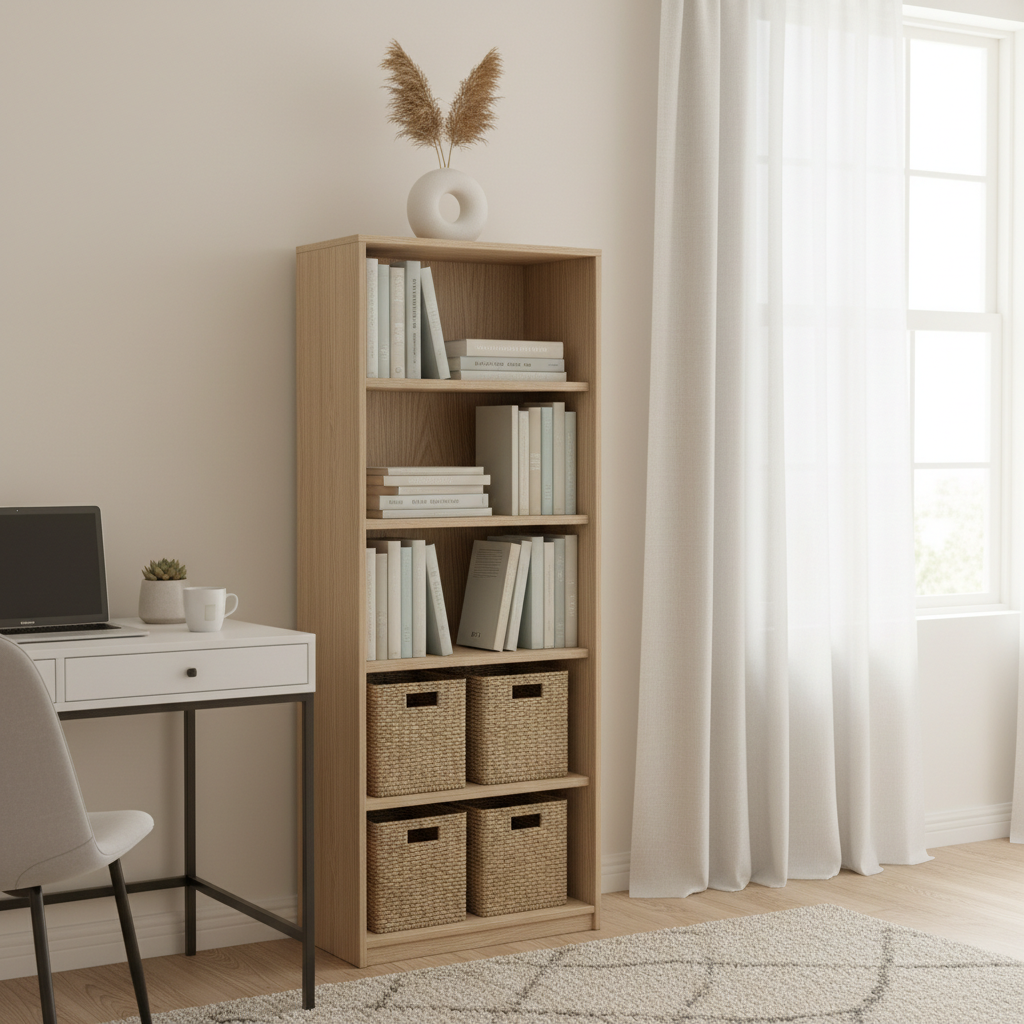
- Fabric or woven bins hide chargers, notebooks, and random accessories.
- Label the inside rim if you want “hidden organization” that stays easy.
Leave 10–20% empty on purpose
It sounds counterintuitive, but a little negative space makes the whole piece look smaller and more intentional, especially if you want the best small bookcases for limited space to feel like decor, not storage overflow.
Anchor if it is tall or top-heavy
If you rent, talk to your landlord or check lease terms, but many renters still anchor using appropriate hardware. If you are unsure what your wall can handle, a handyman can advise.
Common mistakes (and what to do instead)
- Buying too deep: In narrow rooms, depth tends to be the enemy. Prioritize a slimmer profile even if it means going taller.
- Ignoring shelf height: Some stylish units have tight spacing that wastes space for tall books. Look at the interior dimensions, not just overall height.
- Over-decorating: Small homes look cluttered faster. Keep decor to a few repeatable pieces, one plant, one framed print, one bowl.
- Skipping wall anchoring: Especially with kids or pets, anchoring reduces tip risk in many situations.
- Choosing a “statement” finish in a cramped room: If everything else is already bold, a quieter finish can make the room feel calmer.
Key takeaways and a simple buying plan
If your goal is the best small bookcases for limited space, do not start with aesthetics, start with constraints, then pick a style that supports how you actually use the room.
- Measure the footprint and mark it with tape before shopping.
- Choose vertical storage when floor space is tight.
- Look for adjustable shelves if you own a mix of book sizes.
- Plan a clean setup using bins and some empty space.
- Consider anchoring for tall units, especially in active households.
Action step, pick one spot in your home that feels underused, measure it today, then shortlist two bookcase types from the table, narrow vertical versus low multipurpose solves more layouts than people expect.
FAQ
What size bookcase is considered “small” for an apartment?
Many shoppers consider anything under about 30 inches wide or under about 12 inches deep to be “small,” but your doorway clearance and walking path matter more than the label.
Are ladder bookcases safe for heavy books?
They can be, but a lot depends on design and how you load them. Many people keep heavier books on the lower shelves and use upper shelves for lighter items to reduce wobble.
How do I keep a small bookcase from looking cluttered?
Use baskets for small items, keep similar book heights together where possible, and leave some open space. In tight rooms, less styling often reads more polished.
Is it better to go taller or wider in a small room?
Often taller works better because it preserves the walkway, but only if you can anchor it and comfortably reach upper shelves. If the ceiling is low or the room already feels dark, a low unit may feel calmer.
What depth should I look for in a narrow hallway or entry?
Many hallways do better with a shallow profile so you are not bumping into corners. Measure your passage width and leave enough clearance for comfortable traffic, especially if you carry groceries through that space.
Do cube organizers count as bookcases?
They can, especially for paperbacks and mixed storage. Just check cube dimensions, some popular bins reduce usable space for larger hardcovers.
How do renters anchor a bookcase without causing big damage?
It depends on the wall type and lease rules, so it is worth checking first. Some renters use small brackets into studs or appropriate anchors, if you are unsure, a handyman can recommend a minimal-impact approach.
If you are trying to buy the best small bookcases for limited space and want a quicker shortlist, start by sending your target dimensions and a photo of the spot you want to use, it is usually easier to pick the right style when the constraints are visible.