
how to eliminate odors from carpet naturally usually comes down to two things: finding what’s feeding the smell, then using the right gentle deodorizer long enough to finish the job.
If you’ve ever sprinkled something on a rug, vacuumed, and thought “why does it still smell,” you’re not alone. Carpet fibers hold onto oils, moisture, and tiny particles, and padding underneath can trap odors even when the surface looks clean.
This guide walks through realistic, household-friendly options (baking soda, vinegar, enzyme cleaners, fresh air, steam with caution), plus a quick checklist to decide whether you can DIY it or should call a pro.
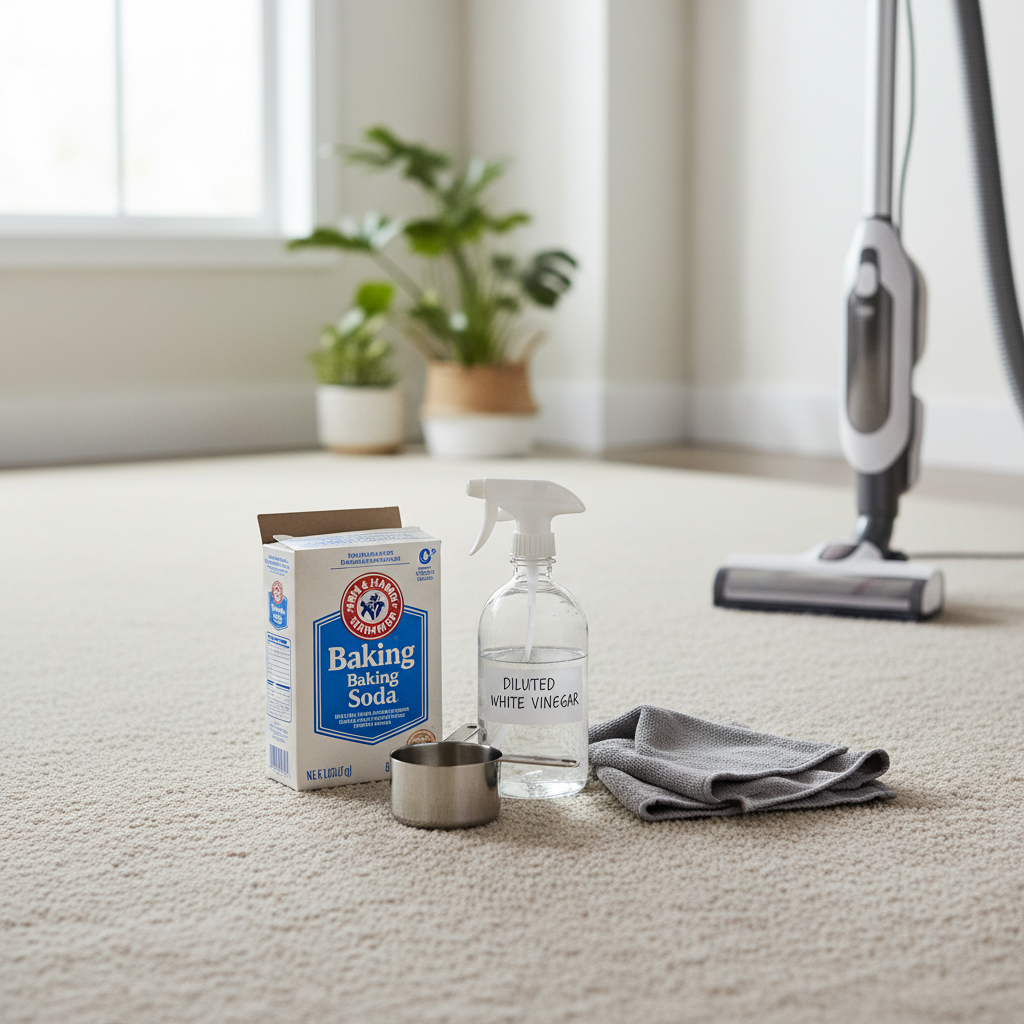
What causes carpet odors (and why “covering it up” rarely works)
Most carpet smells aren’t a single problem, they’re a mix of odor sources and odor traps. If you only treat the surface, the smell often creeps back when humidity rises or the room warms up.
- Pet accidents: urine crystals and bacteria can seep into padding and subfloor seams.
- Food and drink spills: sugars and fats leave residue that turns rancid over time.
- Mildew: even “dry” carpet can smell musty if the pad stayed damp after cleaning or a leak.
- Smoke and cooking oils: airborne particles settle into fibers, especially in high-traffic rooms.
- Old vacuum issues: a dirty filter, bag, or canister can re-deposit odor each pass.
According to EPA, mold growth is linked to moisture problems, so if you’re chasing a musty smell, moisture control matters as much as deodorizing.
Quick self-check: what kind of odor are you dealing with?
Before you start mixing anything, do a 2-minute diagnosis. This saves time and prevents the classic mistake of using the wrong cleaner on the wrong smell.
- Location: one spot (spill/pet) or whole room (smoke, humidity, old pad)?
- Timing: stronger after rain or at night often suggests moisture or padding.
- Texture: sticky or crunchy fibers often mean residue that needs a rinse, not just deodorizer.
- Color: yellowing, dark edges, or repeating stains can indicate wicking from underneath.
- Health signals: headaches, coughing, asthma flares may mean you should ventilate and consider professional help.
If the odor is intense and sudden, or you suspect mold, sewer gas, or a chemical spill, it’s safer to pause and consult a qualified professional.
Natural odor removers: what works best for each smell
Here’s the practical truth: “natural” works great for many everyday odors, but the right tool depends on whether you’re neutralizing acids, absorbing oils, or breaking down organics.
| Odor type | What usually helps | Why it works | Watch-outs |
|---|---|---|---|
| General stale smell | Baking soda + thorough vacuum | Absorbs odor compounds and oils | Needs dwell time; can cake if over-wet |
| Pet urine (old) | Enzyme cleaner (biobased) | Breaks down odor-causing organics | Must reach padding; avoid mixing with vinegar/bleach |
| Musty/damp | Drying + airflow, then light deodorizing | Stops microbial growth and removes must | If padding stayed wet, DIY may not be enough |
| Smoke/cooking | HEPA vacuuming + baking soda + ventilation | Removes particles, then absorbs leftover odor | May require multiple rounds |
| Spills (milk, juice) | Mild soap rinse + blot + baking soda | Removes residue that turns sour | Over-wetting can create mustiness |
Key point: if you want to know how to eliminate odors from carpet naturally, focus on either removing residue (rinsing/blotting) or breaking it down (enzymes). Covering with fragrance is temporary.
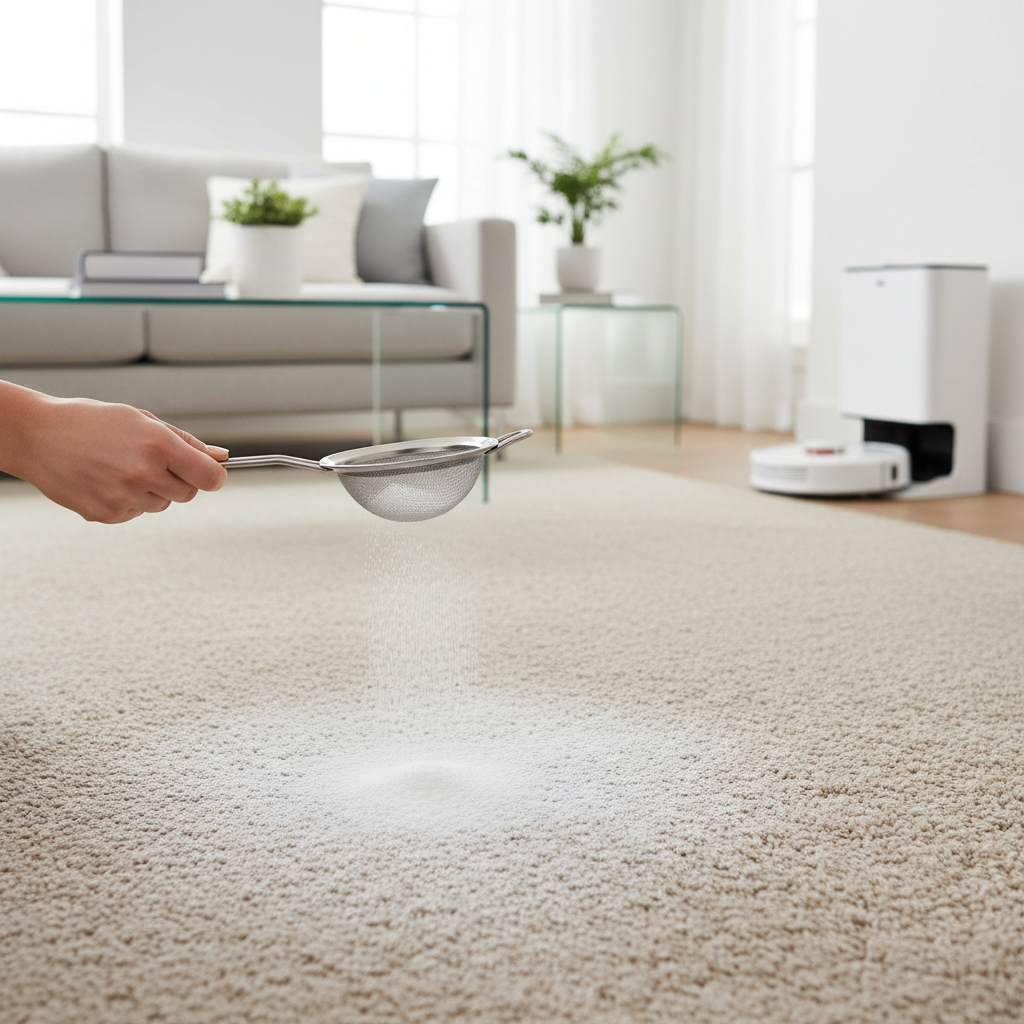
Step-by-step: baking soda deodorizing that actually lasts
Baking soda works best when you treat it like an absorber, not a quick sprinkle-and-go. The goal is contact time, then complete removal.
1) Prep the carpet (don’t skip this)
- Vacuum slowly in two directions, especially in traffic lanes.
- Check your vacuum: empty the bin, replace the bag if needed, and clean or swap the filter.
2) Apply and let it sit
- Sprinkle a thin, even layer of baking soda.
- Let it sit at least 30–60 minutes; overnight is often better for stubborn odors.
3) Vacuum like you mean it
- Use slow passes to pull powder from deeper fibers.
- If you see leftover powder, vacuum again later after people have walked over the area a bit.
If the smell improves but returns, that’s a clue the odor source sits lower, often in the pad. In that case, you’ll want a spot-treatment approach next.
Spot odors: vinegar, soap-and-rinse, and enzymes (choose one path)
Spot smells are where people get frustrated, mainly because the carpet looks “clean” while the odor sits below the surface. Pick the method that fits the source, and keep moisture controlled.
Option A: diluted vinegar for mild, sour smells
White vinegar can help neutralize certain odors and loosen light residue, but it isn’t a universal fix. Also, vinegar smell should dissipate as it dries.
- Mix: 1 cup warm water + 1 cup white vinegar in a spray bottle.
- Lightly mist (do not soak), then blot with a clean towel.
- Rinse-mist with plain water, blot again, then dry with airflow.
Do a colorfast test in a hidden corner first, especially on wool or specialty rugs.
Option B: mild soap + rinse for sticky residue
- Use a few drops of clear dish soap in warm water.
- Blot, don’t scrub; then rinse with plain water and blot until towels come up mostly clean.
This is the unglamorous fix that often solves “mystery smells” caused by old spills.
Option C: enzyme cleaner for urine and other biological odors
Enzymatic cleaners are the closest thing to a “natural-meets-effective” solution for pet messes, because they target organic material. According to CDC guidance on safe cleaning, it’s important to follow product directions and avoid mixing cleaning chemicals.
- Choose a cleaner labeled for pet urine and carpets.
- Apply enough to reach the depth of the stain area, then allow the recommended dwell time.
- Blot and dry thoroughly; repeat if the odor returns in humid weather.
One more real-world note: for older urine, you may need to treat a wider area than the visible spot, because it spreads.
Drying and airflow: the “natural” step that makes everything work
If you’re trying to learn how to eliminate odors from carpet naturally, drying is the quiet hero. Many lingering smells are basically “dirty moisture.”
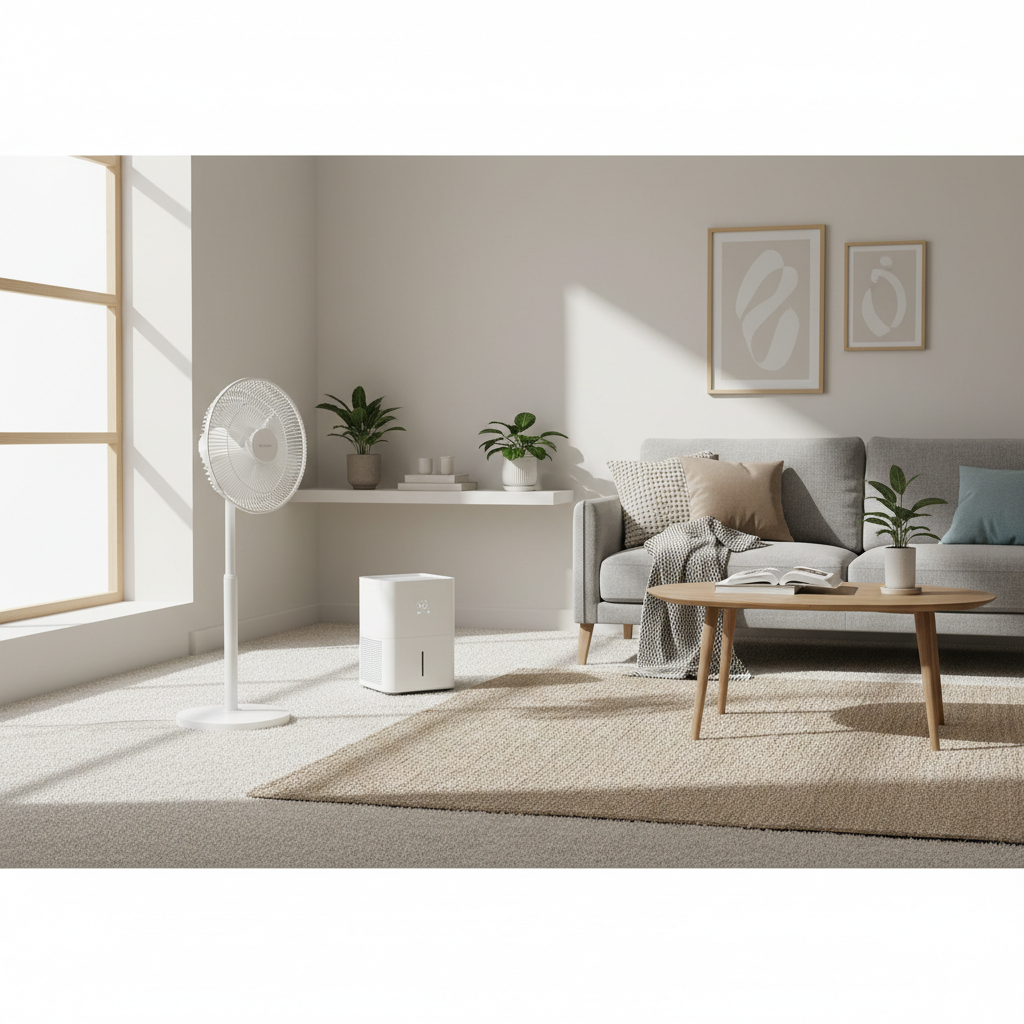
- Run a fan aimed across the carpet surface, not straight down.
- If humidity is high, use a dehumidifier for a few hours.
- Open windows when outdoor humidity is lower than indoors.
- Avoid re-wetting the same spot repeatedly without full drying in between.
Steam cleaning can help in some situations, but it can also push moisture into padding if you overdo it. If you rent a machine, use minimal solution, do extra dry passes, and plan for drying time.
Common mistakes that keep odors coming back
- Over-wetting: too much liquid drives odor deeper and can create mustiness.
- Skipping the rinse: soap or DIY mixes left in the carpet attract grime and re-smell later.
- Using fragrance as “treatment”: it masks the odor while the source keeps breaking down.
- Scrubbing hard: can spread the stain, fuzz fibers, and push material into padding.
- Mixing products: especially with bleach or ammonia; if you’re unsure, don’t combine.
If you have pets, it also helps to confirm whether the odor is truly the carpet. Sometimes the culprit is the baseboard, a nearby fabric sofa, or a washable rug pad.
When DIY isn’t enough (and what to ask a pro)
Some odor problems aren’t “hard,” they’re just structural, meaning the smell lives in the pad, tack strips, or subfloor. In those cases, natural surface treatments can only do so much.
- The odor returns within 24–72 hours after drying.
- Musty smell increases with humidity, even after repeated cleaning.
- You suspect mold, sewage backup, or a long-term leak.
- Urine odor is widespread or has soaked through to the subfloor.
When calling a carpet cleaner, ask how they handle odor in padding and whether they offer low-residue or hot water extraction. If health symptoms show up, it’s reasonable to consult a medical professional as well.
Conclusion: a simple plan that usually works
For most homes, how to eliminate odors from carpet naturally looks like this: vacuum thoroughly, use baking soda with real dwell time, treat spots with the right method (rinse or enzymes), then dry aggressively with airflow. The “natural” part isn’t just the ingredients, it’s also the process.
If you want one action to take today, start with a deep vacuum plus an overnight baking soda treatment in the smelliest area, then reassess in the morning. If the odor keeps coming back from the same spot, switch to enzymes and focus on drying.
Key takeaways
- Odor type matters: stale air, urine, must, smoke each need a different approach.
- Dwell time + removal is what makes baking soda effective.
- Drying is non-negotiable if you want results that last.
FAQ
- How long should baking soda sit on carpet to remove odors?
In many cases, 30–60 minutes helps, but overnight is often more noticeable for stubborn smells, as long as you can vacuum it out thoroughly. - Does vinegar remove pet urine smell from carpet?
Vinegar can reduce some odor, but older urine usually responds better to an enzyme cleaner that breaks down organic residue, especially if it reached the padding. - What’s the most natural way to get rid of musty carpet smell?
Start with drying and airflow, then light deodorizing. Musty odors often track back to moisture, so a fan and dehumidifier can matter more than any powder. - Can I use essential oils in baking soda on carpet?
You can, but go lightly. Oils can leave residue that attracts dirt, and some oils can be irritating for pets or sensitive people, so caution is smart. - Why does my carpet smell worse after cleaning?
Usually it’s leftover moisture or residue, or odor wicking up from the pad as it dries. More drying time and a clear-water rinse often help. - Is it safe to steam clean carpet to remove odors naturally?
It can help, but over-wetting is a common issue. If you steam clean, use minimal solution, take extra dry passes, and dry the room quickly. - How do I know if I need to replace carpet padding?
If odor returns fast after multiple treatments, or if a urine spot has soaked through repeatedly, padding replacement becomes a practical option, and a pro can confirm.
If you’re dealing with repeating pet odors, damp-basement mustiness, or a whole-room smell that won’t budge, you may prefer a more hands-off plan: a targeted inspection, the right cleaning chemistry, and drying equipment sized for the room, so you spend less time guessing and redoing the same steps.