
Best cotton bath towels absorbent sounds simple, but most “soft and fluffy” options disappoint once they meet real life: repeated washes, hard water, body lotion, and humid bathrooms.
If you want towels that actually dry you fast, don’t smell weird, and still feel good months later, you need a few practical checks: cotton type, weave, GSM, and how the edges are finished. Marketing rarely explains those clearly, so shoppers end up buying the same average towel in a new color.
This guide walks through what makes cotton towels absorbent in the real world, a quick self-check for your bathroom setup, and a comparison table you can use while shopping online or in-store.
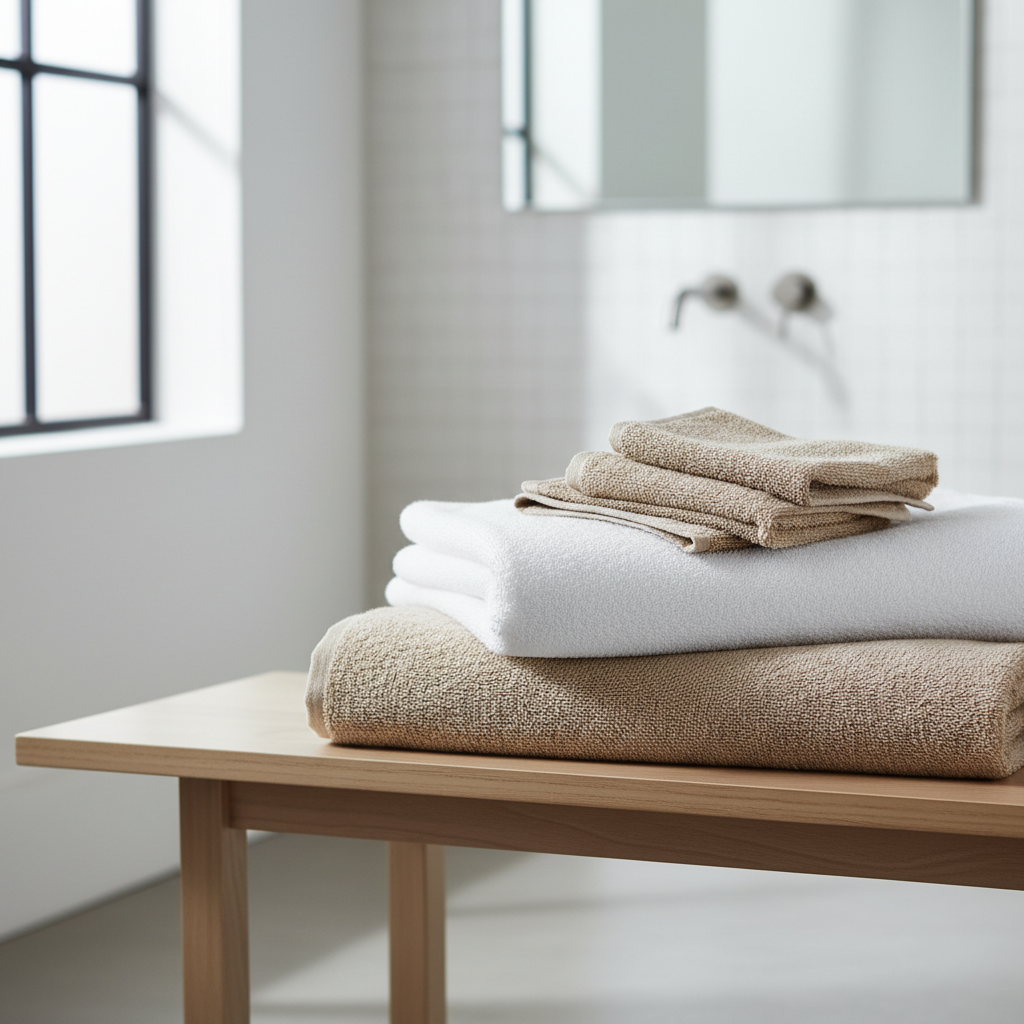
What “highly absorbent” really means for cotton towels
Absorbency is not just “thick.” A towel absorbs well when cotton fibers pull water in quickly and the weave holds that moisture without feeling slimy or taking all day to dry.
- Fast pickup: the towel grabs water on contact, especially after a shower.
- Good capacity: it can handle a full dry-off without getting saturated immediately.
- Reasonable dry time: it releases moisture when hung up, reducing musty odor risk.
According to Federal Trade Commission (FTC), textile labels must describe fiber content accurately, which helps you confirm you’re getting cotton and not a heavy cotton-blend that behaves differently after washing.
Why some cotton towels stop absorbing after a few washes
People often blame “bad quality,” but a few common factors usually stack up.
- Fabric softener buildup: softeners can coat fibers, so water beads instead of soaking in. You’ll feel it when the towel seems to push water around.
- Hard water minerals: mineral deposits can make loops stiff and reduce absorption, especially if you use too much detergent.
- Overly dense construction: very high GSM towels can hold a lot, but some feel heavy and stay damp too long in humid bathrooms.
- Low-twist or “zero-twist” tradeoffs: these can feel plush early on, yet durability and long-term performance vary by brand and finishing.
If your current towels smell musty easily, the root issue is often slow drying rather than a “cotton problem.” That shifts what you should buy.
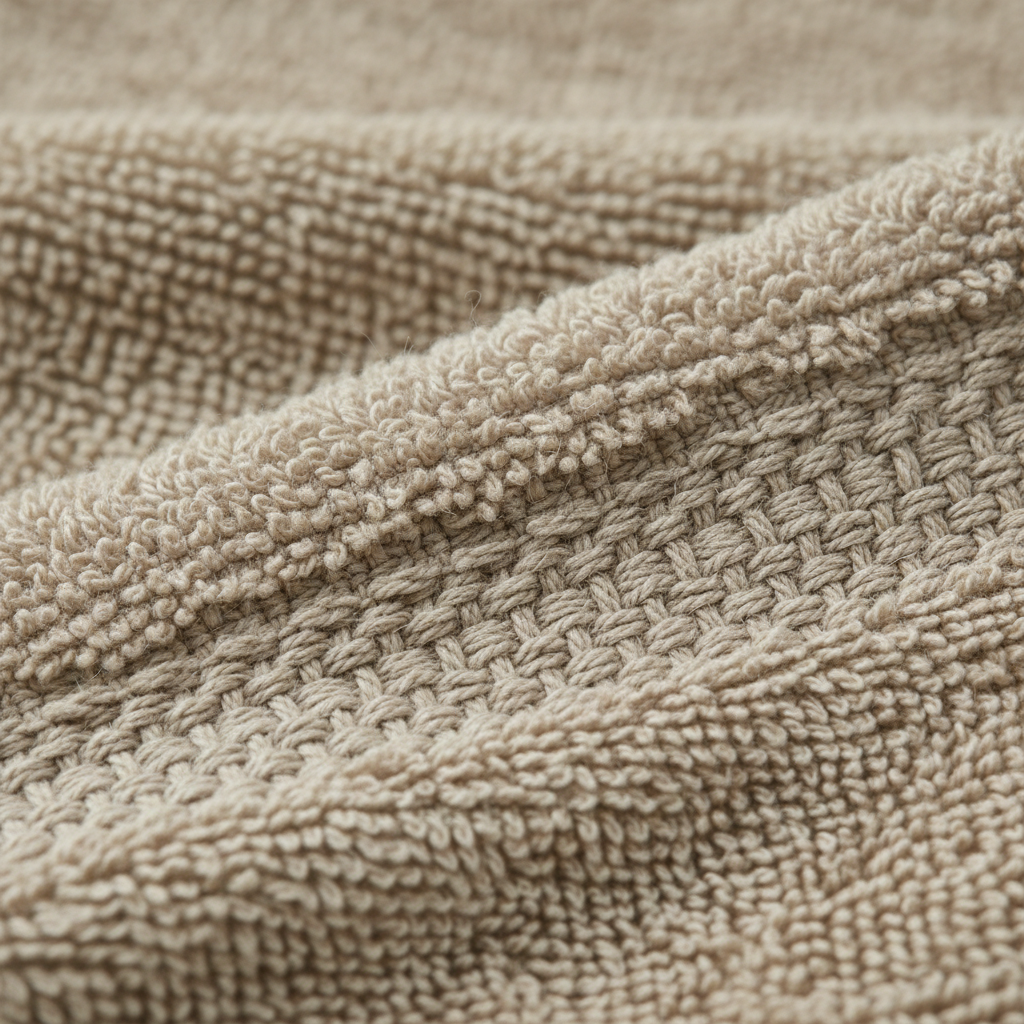
Quick buying checklist: match the towel to your bathroom habits
Before comparing “best cotton bath towels absorbent” lists, take 30 seconds to be honest about your setup, it saves money.
- Is your bathroom humid or poorly ventilated? Prioritize faster-drying weaves and mid-range GSM.
- Do you wash towels weekly or less? Choose durable terry, solid hems, and avoid finishes that rely on extra softness.
- Sensitive skin? Look for smoother ringspun cotton, and avoid towels that feel scratchy in-store.
- Kids, gym showers, or frequent use? Buy more sets and choose easy-care towels that recover well after hot washes.
- Hard water at home? Plan on occasional maintenance washing, and don’t go overboard on detergent.
One more reality check: if you prefer a towel that dries you in two passes, you’ll often like a slightly less “cloud-like” towel than the fluffiest display stack.
How to choose: cotton type, weave, GSM, and construction
Cotton type: what matters and what’s mostly marketing
Cotton fiber length and spinning influence softness and strength, which can affect how a towel stays absorbent over time.
- Egyptian cotton: often associated with long-staple fibers; quality varies by sourcing and label claims, so treat it as a clue, not a guarantee.
- Pima cotton: long-staple, commonly smooth and durable, a good sign for plush-but-usable towels.
- Ringspun cotton: yarn method that can feel smoother and wear well.
According to Cotton Incorporated, cotton is naturally absorbent and breathable, which is why it remains a go-to fiber for towels, even when “quick-dry” synthetics are trendy.
Weave: terry vs waffle vs velour (and why it changes performance)
- Terry: classic loops, usually the safest bet for strong absorption and a familiar feel.
- Waffle: textured grid, often dries faster and feels lighter, great for humid bathrooms or frequent laundry cycles.
- Velour: sheared loops for a smooth surface, can feel luxe but may absorb less than looped terry in many cases.
GSM: the “weight” number that can mislead you
GSM means grams per square meter. Higher often means thicker, but not always better for daily use.
- 400–500 GSM: lighter, faster drying, good for smaller bathrooms and frequent washing.
- 500–650 GSM: balanced, often the sweet spot for many households.
- 650–800 GSM: spa-like feel, but can dry slowly and feel heavy on a hook.
Construction details that predict longevity
- Double-stitched hems help resist fraying and curling edges.
- Tight, even loops usually shed less lint after break-in.
- Low lint out of the package is nice, but some lint in early washes is normal for cotton terry.
Comparison table: common towel options and who they fit
Use this as a practical filter when listings look identical.
| Type | Absorbency feel | Dry time | Best for | Watch-outs |
|---|---|---|---|---|
| Mid-GSM terry cotton (500–650) | High, “classic towel” | Medium | Most households | Can feel heavy if bathroom stays damp |
| High-GSM terry cotton (650–800) | Very high capacity | Slower | Large, well-ventilated bathrooms | May smell musty if not dried fully |
| Waffle cotton | Good, less “plush” | Fast | Humid spaces, gym-style use | Some people dislike the texture |
| Velour-faced cotton | Medium | Medium | Guest towels, spa look | Can push water around vs looped terry |
Practical steps: how to shop and test absorbency without guesswork
If you can touch the towel in-store, do a quick “pinch and rub” check: loops should feel springy, not slick. Online, you’ll rely on specs and return policies, so focus on the controllable parts.
- Confirm fiber content: aim for 100% cotton if absorbency is the priority.
- Pick a GSM range based on your dry-time reality, not aspirational spa vibes.
- Read reviews for patterns: look for repeated notes like “stops absorbing,” “stays damp,” or “musty,” not one-off complaints.
- Buy one set first: test through 3–5 washes before committing to a full household swap.
Key point: if your goal is best cotton bath towels absorbent for daily family use, balanced terry often beats ultra-thick “hotel” towels in real homes.
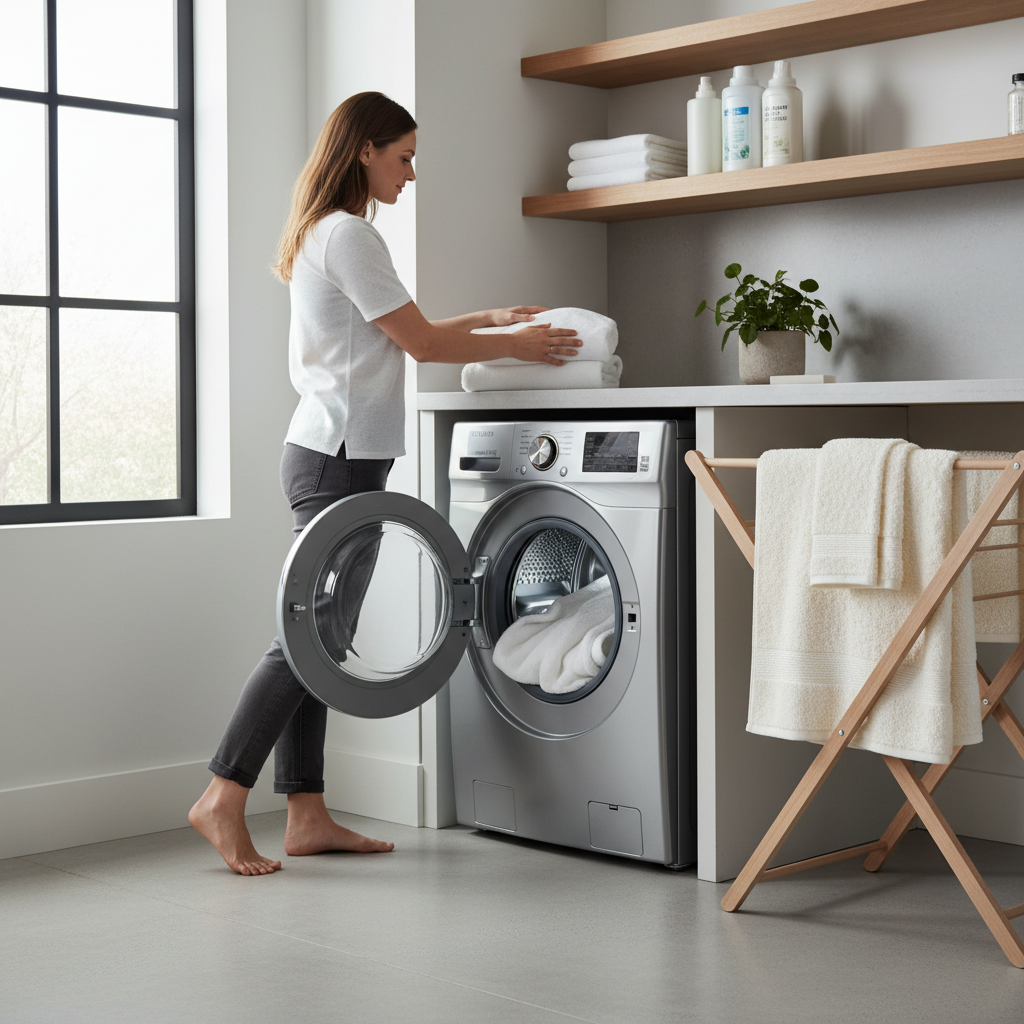
Care tips that keep cotton towels absorbent (and reduce odor)
You can buy great towels and still ruin performance with routine laundry habits.
- Skip fabric softener most of the time; if you love the feel, use it sparingly and expect some absorbency loss.
- Use less detergent than you think, especially in HE washers, residue makes towels feel waxy.
- Dry thoroughly: if your dryer runs cool or you air-dry indoors, choose towels that dry faster by design.
- Occasional reset wash: many households use a hot wash with a rinse boost (or similar approach) to reduce buildup; if you have concerns about fabrics or machines, check the care label or ask a laundry professional.
According to Centers for Disease Control and Prevention (CDC), laundry guidance emphasizes routine washing and complete drying to help reduce germs on textiles, which also lines up with how you prevent lingering towel odor.
Common mistakes shoppers make (and what to do instead)
- Buying the heaviest towel assuming it’s “more absorbent”: choose weight that fits your ventilation and laundry cadence.
- Judging only by softness in the package: finishing treatments can mask how it behaves after ten washes.
- Using too many “nice-smelling” laundry add-ons: fragrance boosters and softeners can build up, then towels repel water.
- Not rotating towels: if you use the same two towels constantly, they wear faster and may hold odor more easily.
Conclusion: picking the right absorbent cotton towel in 2026
The best picks are usually the ones that match your home, not the ones that look most luxurious in a product photo. Start with 100% cotton, pick a sensible GSM for your climate, and favor terry or waffle weaves based on how fast you need the towel to dry.
If you want a simple next step, choose one mid-GSM cotton towel set, wash it a few times without softener, then decide whether you want to go thicker for comfort or lighter for speed.
FAQ
What GSM is best for absorbent cotton bath towels?
For many people, 500–650 GSM hits a practical balance: it absorbs well but still dries in a reasonable time. If your bathroom stays damp, going slightly lighter often feels better day-to-day.
Are Turkish cotton towels more absorbent than Egyptian cotton?
They can be, but the label alone rarely settles it. Absorbency comes from fiber quality, yarn, and weave together, so compare construction details and how the towel performs after a few washes.
Why do my cotton towels feel like they repel water?
In many cases it’s residue from fabric softener, excess detergent, or hard-water minerals. Cutting back on additives and doing a maintenance wash can help, but always follow the care label.
Do waffle towels absorb as well as terry towels?
They often absorb well enough for everyday drying and usually dry faster, which can reduce musty odor. If you want maximum “wrap-up” plushness, terry still tends to feel more satisfying.
Is 100% cotton always better for absorbency?
Often, yes, for a traditional towel feel and water uptake. Some blends dry faster, but they may feel less plush and performance varies by fabric design.
How many bath towels should a household keep?
A common approach is 2–4 bath towels per person if you want easy rotation, especially if you wash weekly. If laundry happens less often, more sets reduce re-use before washing.
How can I tell if an online listing is exaggerating “hotel quality”?
Look for clear specs (fiber content, GSM, weave) and consistent review patterns about absorbency after washing. Vague claims without details usually mean you’re buying on vibes.
If you’re trying to narrow down the best cotton bath towels absorbent for your bathroom, start by deciding whether you value fast drying or spa-level thickness more, then shop within that lane, it’s the easiest way to avoid returns and end up with towels you actually like using.