
How to clean humidifier properly comes down to two habits: emptying and drying it often, plus doing a regular deep clean that removes mineral scale and biofilm before it turns into that “musty” smell.
If you use a humidifier in a bedroom or nursery, this matters more than people think, warm water, stagnant corners, and leftover minerals can create a comfortable environment for mold and bacteria. The goal is not to make the unit “sterile,” it’s to keep it from becoming a little swamp that blows questionable mist into your room.
I’ll walk through what usually causes mold in humidifiers, a quick self-check to see how far gone things are, and step-by-step cleaning for cool mist, warm mist, ultrasonic, and evaporative models. I’ll also call out common mistakes, because some “cleaning hacks” either do nothing or damage parts.
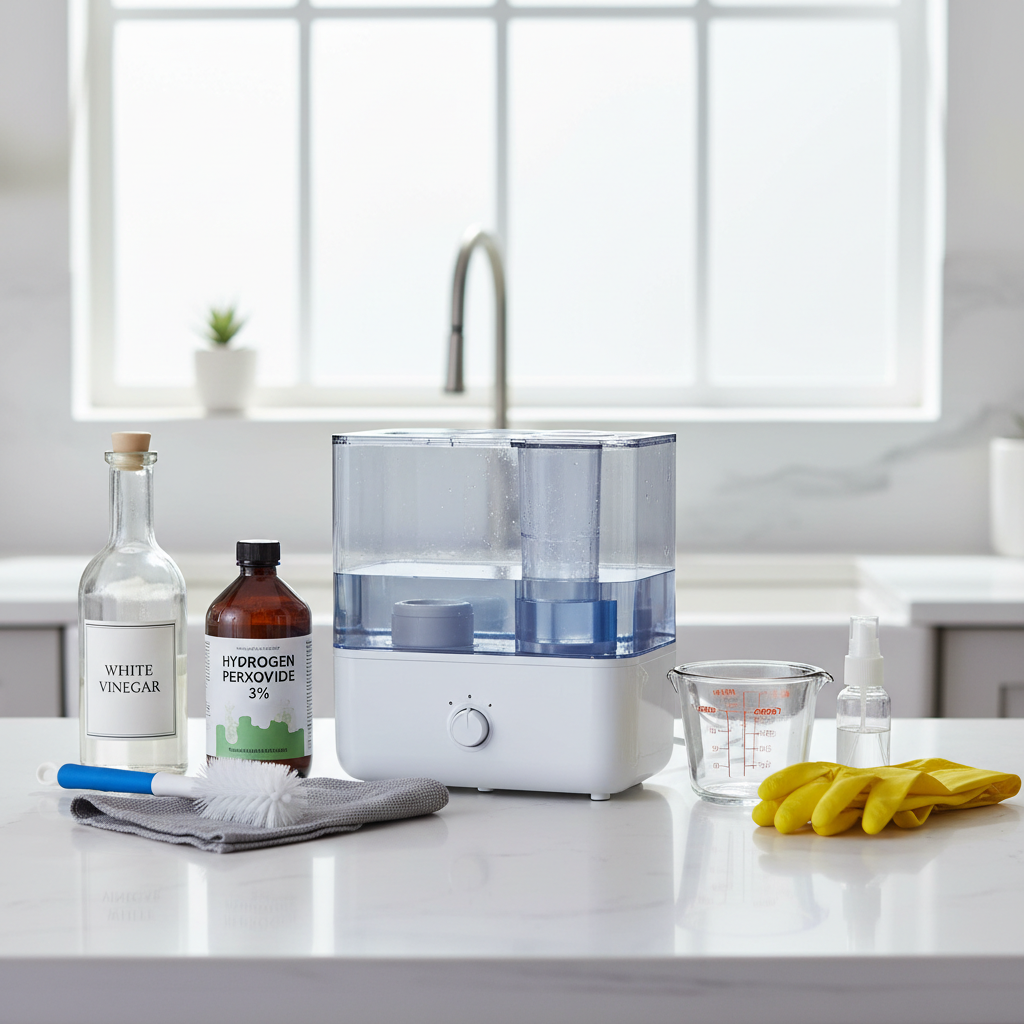
Why humidifiers grow mold (and why it keeps coming back)
Mold doesn’t show up because you “didn’t disinfect hard enough,” it usually shows up because moisture stays trapped in the base or tank and gets fed by dust and minerals. Once a slippery film forms, it’s tougher to remove with a quick rinse.
- Standing water in the tank or base overnight, especially after a long run.
- Mineral buildup (scale) from hard water, minerals create rough surfaces where gunk sticks.
- Biofilm, that clear or slimy layer that protects microbes from light cleaning.
- Missed parts such as seams, gaskets, valves, float chambers, and the mist outlet.
- Over-humidifying your room so the unit and nearby surfaces stay damp.
According to the Centers for Disease Control and Prevention (CDC), mold exposure can trigger symptoms in sensitive people and is worth taking seriously, especially for those with asthma or allergies. If anyone in the home reacts to “mystery smells,” a neglected humidifier is a common suspect.
Quick self-check: do you need a rinse, a deep clean, or a replacement?
Before you scrub for an hour, figure out which bucket you’re in. Most people either under-clean a bad situation or over-clean a minor one.
Signs a quick rinse is enough (today)
- You used it once or twice, no odor, no visible film.
- Tank looks clear, base has no slime or residue.
Signs you need a deep clean (this week)
- Musty or “dirty aquarium” smell when it runs.
- White crusty scale around the base or ultrasonic plate.
- Any slippery feel on internal surfaces.
- Visible specks, staining, or cloudy water even after rinsing.
Signs it may be smarter to replace parts (or the whole unit)
- Mold inside porous wicks/filters that won’t come clean.
- Cracked tank, degraded gaskets, or persistent smell after multiple proper cleanings.
- You can’t access internal channels where residue clearly sits.
If you’re unsure about material compatibility, check the manual for your model, especially if it has coated parts or a silver ion cartridge.
Daily and weekly routine that prevents mold (the “boring” part that works)
The fastest way to reduce mold risk is not a stronger chemical, it’s consistency. A 2-minute daily reset keeps you from needing a 45-minute rescue scrub later.
Daily (or after each use)
- Turn off and unplug the unit, then empty the tank and base.
- Rinse with clean water, swish, and pour out.
- Wipe the base dry where you can reach, then leave tank and base open to air-dry.
Weekly (or more often with hard water)
- Descale to remove minerals.
- Sanitize to reduce microbial growth.
- Clean small parts (caps, valves, seals) that trap grime.
According to the U.S. Environmental Protection Agency (EPA), keeping indoor humidity in a moderate range can help discourage mold. Many households do well around 30–50% relative humidity, but your comfort and climate matter, a cheap hygrometer makes this easier to manage.
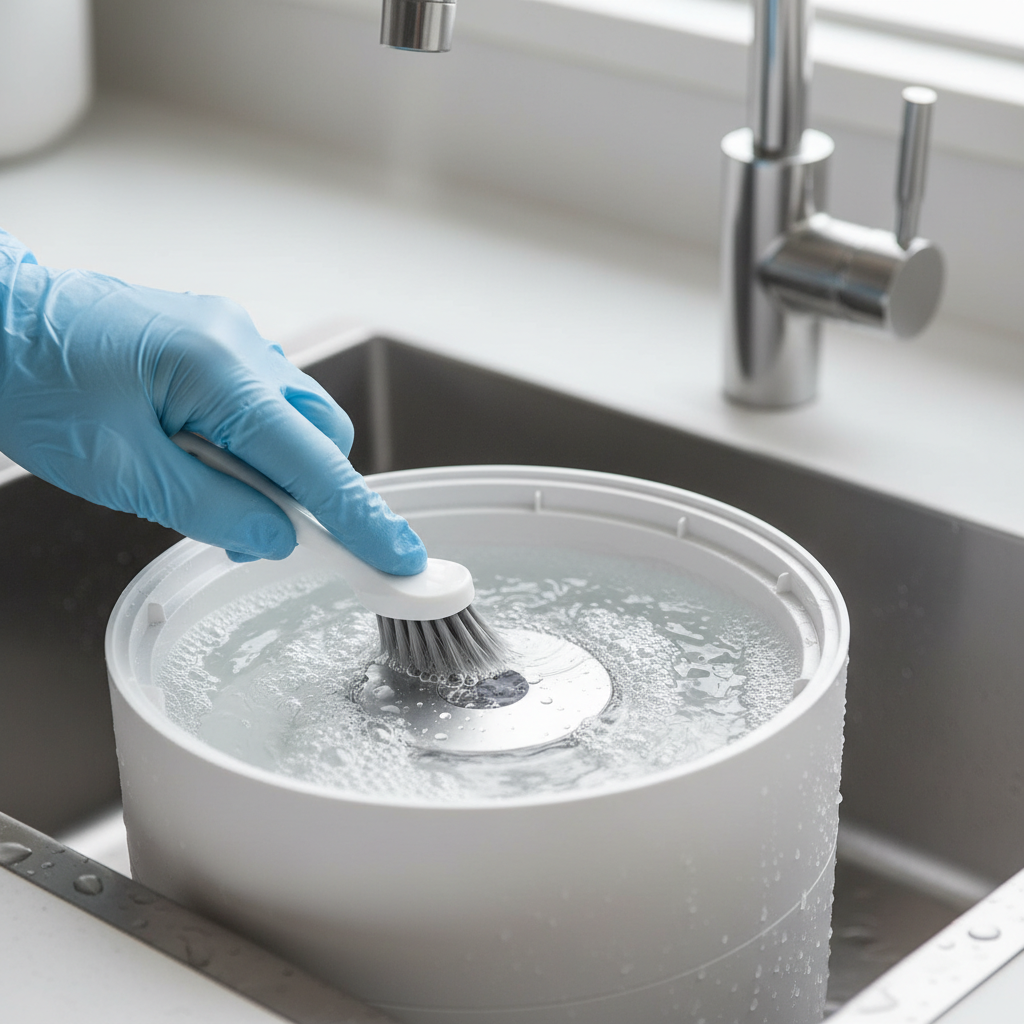
Step-by-step: how to clean a humidifier properly (safe, practical method)
How to clean humidifier properly usually means doing two passes: descale first, then sanitize second. If you sanitize without removing scale and slime, you often “lock in” the gunk and wonder why the smell returns.
1) Unplug, disassemble, and rinse
- Unplug the unit, remove the tank, and separate any removable parts.
- Rinse tank and base with warm water (not hot if your manual warns against it).
2) Descale (vinegar is the common go-to)
- Fill the tank with a vinegar-and-water mix per your manual. If the manual doesn’t specify, many people use a small amount of white vinegar diluted with water, enough to coat surfaces.
- For the base, pour enough vinegar solution to cover mineral deposits, especially around the ultrasonic plate or heating element area.
- Let it sit for 15–30 minutes, then gently scrub with a soft brush or cloth.
- Rinse thoroughly until the vinegar smell is faint.
3) Sanitize (choose one method, don’t mix chemicals)
- Hydrogen peroxide (3%): often used for a simple sanitize step, let it contact surfaces for a short period, then rinse well.
- Bleach solution: effective but easy to overdo and irritating if residue remains. If you use it, follow your manufacturer’s instructions exactly and rinse repeatedly.
Do not mix bleach with vinegar or other cleaners, dangerous fumes can form. If you’re not confident, stick to the manufacturer’s approach.
4) Dry completely before reassembly
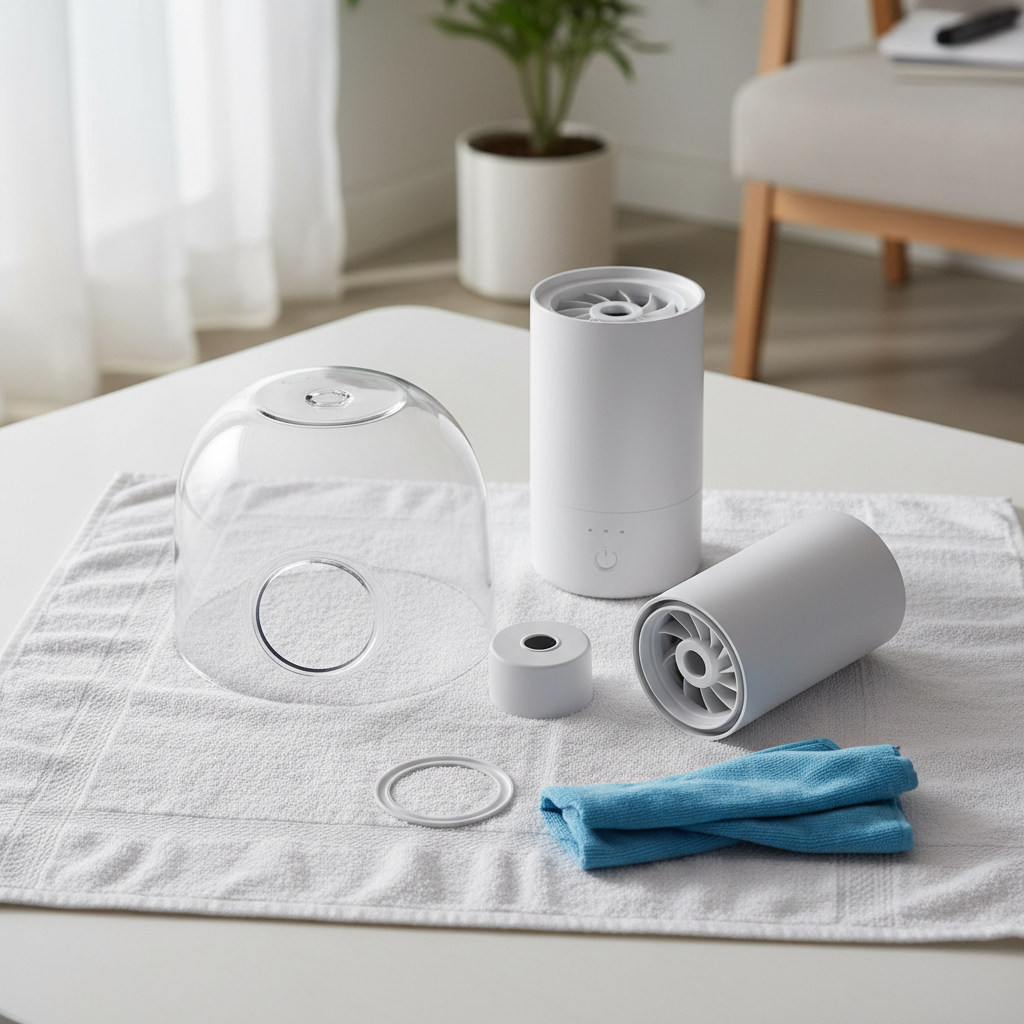
- Air-dry components on a clean towel.
- Reassemble only when parts feel dry to the touch, trapped moisture is how mold returns.
Model-specific tips (ultrasonic, evaporative, warm mist)
Humidifiers look similar on the outside, but the “problem zones” differ. Matching the method to your design saves time and avoids damage.
Ultrasonic (cool mist)
- Pay extra attention to the ultrasonic plate, scale here reduces mist output.
- Avoid abrasive scrubbers that can scratch the plate.
- Use distilled water if you hate white dust, it also slows mineral buildup.
Evaporative (wick/filter)
- Replace wicks on schedule, many are not meant to be fully “restored.”
- Wash the housing and base where water sits, but don’t oversoak parts that aren’t designed for it.
- If the wick smells even after replacement timing looks reasonable, don’t force it, swap it.
Warm mist (steam)
- Scale builds faster near the heating area, descale more often in hard-water regions.
- Let the unit cool completely before cleaning, burns are an avoidable risk.
A simple schedule table (so you actually stick with it)
If you want a low-drama routine, pick a cadence that matches your water type and usage. This table is a practical baseline, then adjust if you see scale or smell returning earlier.
| Situation | Empty & air-dry | Rinse | Deep clean (descale + sanitize) |
|---|---|---|---|
| Daily use, distilled water | After each use | 2–3x/week | Every 1–2 weeks |
| Daily use, tap water (moderate hardness) | After each use | Daily | Weekly |
| Hard water area or visible white dust | After each use | Daily | 1–2x/week |
| Occasional use | After each use | Each time you refill | Before storage + monthly if sitting out |
Common mistakes that make mold more likely
Most “my humidifier keeps getting moldy” complaints trace back to a few habits that feel harmless in the moment.
- Topping off without dumping: adding water on top of old water keeps contaminants around.
- Skipping drying time: putting the cap on a damp tank creates a mini greenhouse.
- Using essential oils in a unit not designed for it: oils can coat parts, trap residue, and degrade plastic or seals.
- Using harsh cleaners on sensitive parts: scratches and damaged coatings can make buildup worse.
- Ignoring room humidity: if your windows sweat, you may be overdoing it and inviting mold in the room itself.
Key takeaway: the best prevention is dumping water, rinsing, and drying, deep cleaning works when it’s a routine, not a rescue mission.
When to get extra help (or stop using it for now)
If someone in your home has asthma, severe allergies, or a weakened immune system, it’s reasonable to be more cautious. You may want to pause use until the unit is fully cleaned and odor-free, and consider asking a clinician for advice if symptoms line up with humidifier use.
If you see extensive mold you can’t access to scrub, persistent odor after repeated cleaning, or water damage and visible mold growth in the room, it may be time to replace the humidifier and, if needed, consult an indoor air quality professional for the space.
Practical wrap-up
How to clean humidifier properly is mostly about not giving grime time to settle, empty it, rinse it, let it dry, then do a weekly descale and sanitize that matches your model. If you do just one thing starting tonight, dump the old water and leave the tank open to dry.
If you want a next step that’s easy to keep, set a repeating reminder for your deep clean day and keep your cleaning supplies near where you fill the tank, convenience is what turns good intentions into a habit.
FAQ
How often should I deep clean my humidifier to avoid mold?
Weekly works for many households using tap water, but hard water or heavy daily use may need more frequent descaling. If you notice odor or slime before the week is up, shorten the cycle.
Is vinegar enough, or do I need bleach?
Vinegar is great for mineral scale and light grime, but it’s not always the best “sanitize” step on its own. Many people use vinegar to descale, then a separate sanitizing step approved by their manufacturer. If you choose bleach, follow the manual closely and rinse thoroughly.
Can I run vinegar through the humidifier like a diffuser to clean it?
Usually not a good idea. Cleaning solutions can aerosolize and irritate airways, plus it may push loosened debris into channels. It’s safer to soak and scrub, then rinse well.
What’s the white dust around my humidifier?
It’s typically mineral residue from tap water, especially with ultrasonic units. Distilled water often reduces it, and regular descaling helps keep the unit running efficiently.
My humidifier smells musty even after cleaning, what now?
Check parts that hide moisture, gaskets, caps, valves, float chambers, and any filter/wick. If odor persists after a couple proper clean cycles, replacement parts or a new unit may be the most realistic fix.
Is it safe to use essential oils in my humidifier?
Only if the manufacturer says the unit is designed for it. Oils can damage plastics and leave a film that encourages buildup, which can make cleaning harder over time.
Should I use distilled water all the time?
It’s a strong option if you have hard water, see white dust, or want to reduce cleaning frequency. It’s not mandatory for every home, but it often makes maintenance easier.
If you’re trying to keep a humidifier running through allergy season or winter without the mold anxiety, a simple checklist and the right water choice can make the routine feel manageable, and if you want, share your humidifier type and your water situation and I can help tailor a cleaning schedule that fits your week.