
how to decorate rental apartment without damage comes down to one mindset shift: treat every upgrade like it must be reversible, cleanly removable, and easy to prove later.
Most renters don’t get into trouble for “decorating,” they get into trouble for the removal part—peeled paint, torn drywall paper, mystery holes, adhesive residue that turns into a bigger repair bill than anyone expected.
This guide focuses on renter-safe materials, where they fail in real life, and how to plan your changes so move-out feels like a quick reset instead of a weekend of patching and panic.
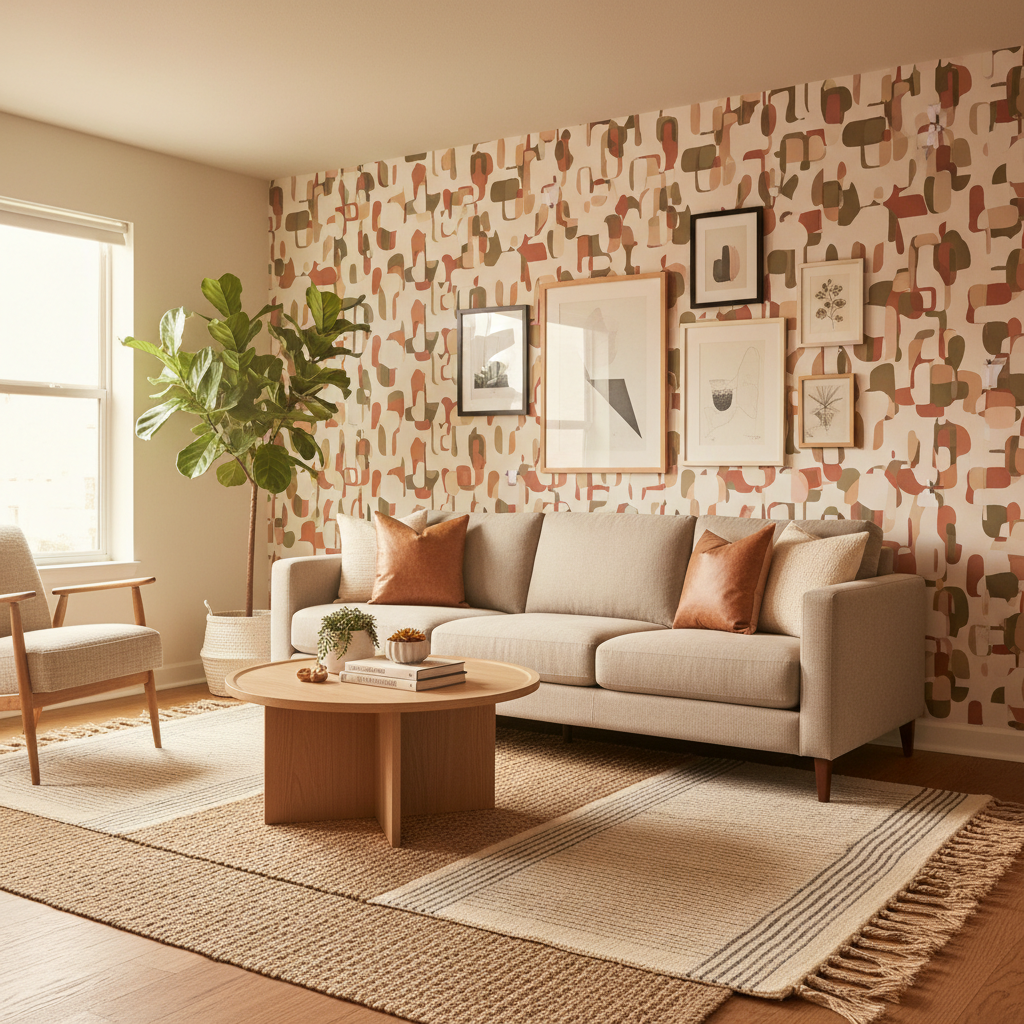
Start with the lease (and one quick email)
Before buying anything, skim the lease sections on alterations, painting, mounting, flooring, and “fixtures.” If it’s vague, a short email to your landlord or property manager can save you later, especially for items like curtains, TV mounts, or backsplash panels.
According to HUD (U.S. Department of Housing and Urban Development), landlords generally may deduct from a security deposit for damages beyond normal wear and tear, and documentation matters. That’s the core issue: you want your decor choices to look like normal wear and tear at worst, and ideally leave no trace.
Set your personal “no-risk” rules
- No unknown adhesives on painted drywall unless the product explicitly states clean removal and you’ve tested it.
- No drilling unless you’re confident patching and matching paint, or you have written permission.
- No wet-area experiments in showers or behind sinks where moisture can make products fail.
Do a 15-minute wall and paint test before you stick anything
Paint and drywall quality vary wildly. Newer “flat” paint can scuff easily, and older paint might already be peeling underneath. Many “damage-free” products work great on sturdy, clean surfaces and fail on chalky paint, humidity, or textured walls.
Here’s the simple test that prevents most headaches: pick a low-visibility spot, clean it, apply one strip or one small swatch, wait 24–48 hours, then remove it slowly at the recommended angle. If paint lifts, stop and switch strategies.
Quick checklist: are your walls high-risk?
- Paint feels dusty or chalky when you rub it
- Multiple paint layers visible at chips or corners
- Heavy orange-peel or knockdown texture
- Bathroom/kitchen walls that stay humid
- Fresh paint within the last few weeks (adhesives can bond too aggressively)
Renter-safe wall decor that still looks “finished”
Blank walls are the #1 reason rentals feel temporary. The trick is choosing hanging methods that match the weight and surface, then removing them correctly. Many problems come from using a small strip for a heavy frame, or yanking straight out instead of stretching the tab down.
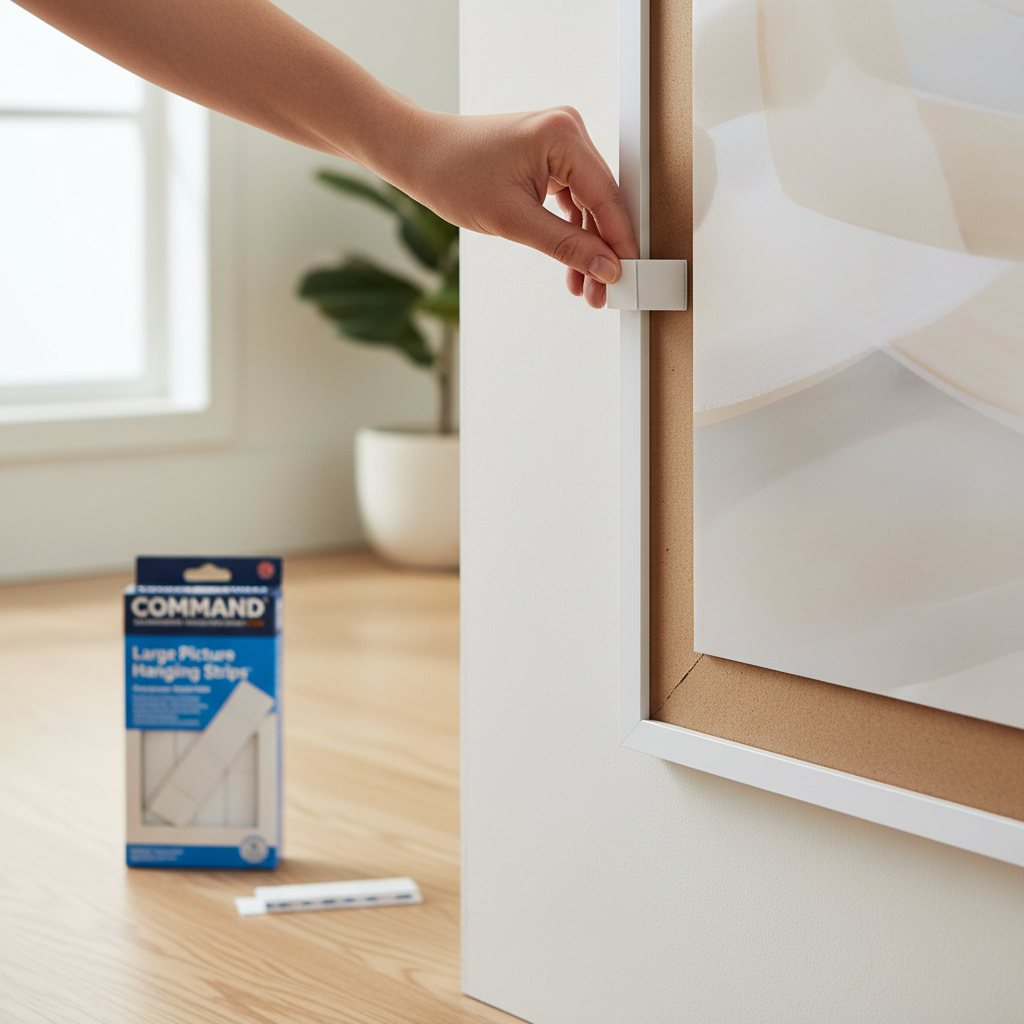
Smart options (and where they actually work)
- Removable hanging strips for lightweight-to-medium frames on smooth paint. Use multiple pairs, level carefully, and remove by pulling the tab straight down.
- Picture ledges that sit on furniture, not walls. You get a gallery look without holes.
- Washer or tension solutions for some situations: over-the-door hooks, leaning mirrors, or tension rod “art rails” between two surfaces.
- Peel-and-stick wallpaper as an accent wall, but only after testing. Textured walls and humidity raise failure risk.
How to get the “gallery wall” look without drilling
- Choose a consistent frame finish (all black, all light wood, or all white).
- Use paper templates or painter’s tape to map spacing before sticking anything.
- Keep heavier pieces lower, lighter pieces higher.
- If your walls are high-risk, build the gallery on a large leaning frame or hang art from a freestanding clothing rack or ladder shelf.
Floors: big visual impact, low drama if you choose the right layer
Floor changes are where renters can get huge “before/after” impact with almost no deposit risk—if you avoid permanent adhesives. Rugs, mats, and interlocking solutions can hide ugly carpet or cheap vinyl fast.
Low-damage floor upgrades
- Layered rugs: a large neutral base rug plus a smaller patterned rug on top reads intentional.
- Rug pads that grip without sticky residue. Test in a corner if you’re worried about vinyl discoloration.
- Peel-and-stick floor tiles can work, but they’re higher risk than rugs. Many removals go fine, but adhesive behavior depends on the existing floor finish and age.
If you’re considering peel-and-stick floor tiles, treat it like a mini renovation: test one tile for a week, check for curling at edges, and confirm your lease doesn’t classify it as an alteration.
Lighting and hardware: upgrade the vibe without “altering the unit”
Bad lighting makes even good decor look mediocre. The renter-friendly approach is to add light sources instead of swapping hardwired fixtures, unless you have permission and you’re comfortable following electrical safety guidance.
Easy lighting wins
- Plug-in floor lamps with warm bulbs to soften the room.
- Battery sconces for bed sides or hallways, mounted with removable strips after a wall test.
- Under-cabinet puck lights for kitchens, ideally rechargeable, attached with removable options.
For hardware, many renters like swapping cabinet pulls or a showerhead. This is usually reversible, but keep every original screw and part in a labeled bag. If you’re unsure about plumbing or electrical work, it’s reasonable to ask maintenance or a licensed professional.
Kitchen and bathroom: the “moisture reality check”
Kitchens and bathrooms are where “temporary” products fail more often. Steam, grease, and splashes shorten the life of adhesives, and once water creeps behind a film, you can get peeling, mildew risk, or sticky residue that turns into a cleanup project.
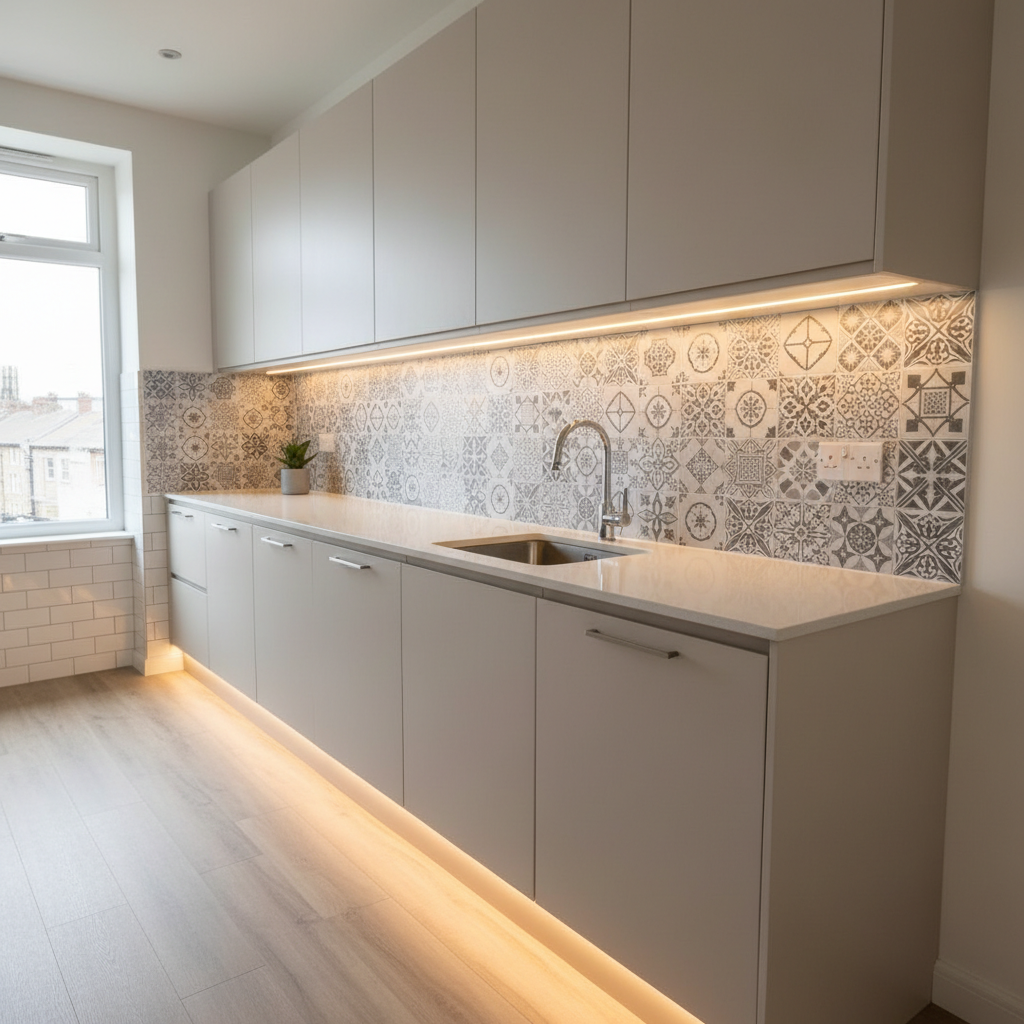
What tends to work well
- Removable backsplash panels or peel-and-stick backsplash on a clean, smooth surface away from direct heat and heavy splashes.
- Removable shelf liners to make cabinets feel clean and custom.
- High-quality shower curtains and bath mats—boring answer, big visual upgrade.
- Tension rods for extra hanging storage without drilling into tile.
Moisture-safe habits that protect your deposit
- Wipe backsplash and shower areas regularly so edges don’t lift from grease or soap film.
- Vent the bathroom; humidity makes adhesives fail earlier.
- Avoid sticking anything directly inside a shower or where water hits daily.
Damage-free decorating plan: pick your moves based on risk
Instead of guessing, use a simple risk ladder. It keeps you from doing one “tiny” change that becomes the only thing the move-out inspector notices.
Renter decor options by risk level
| Upgrade | Risk to deposit | Best use case | Common failure |
|---|---|---|---|
| Area rugs + pads | Low | Any room, quick transformation | Pad reacting with some vinyl finishes |
| Removable strips for art | Low to Medium | Smooth, clean painted walls | Paint lift from weak paint or wrong removal |
| Tension rods (curtains/shelves) | Low | Privacy, storage, small spaces | Over-tightening causing surface marks |
| Peel-and-stick wallpaper | Medium | One accent wall, smooth surface | Residue, curling edges, texture issues |
| Peel-and-stick floor tiles | Medium to High | Short-term refresh if lease allows | Adhesive bonding, floor discoloration |
| Drilling for heavy mounts | High | With written permission or strong patch/paint plan | Poor patching, mismatched paint |
Key takeaways to keep you out of trouble
- Test first on your specific paint and wall texture, not the internet’s wall.
- Weight-match everything, especially frames and mirrors.
- Moisture changes the rules in kitchens and bathrooms.
- Save originals (hardware, bulbs, screws) in one labeled box for move-out.
Move-out prep: document, remove slowly, and repair small issues early
If you want how to decorate rental apartment without damage to be more than a nice idea, plan the exit while you plan the install. A little documentation and gentle removal technique usually makes the difference.
A practical move-out checklist
- Take clear photos after you decorate, and again after you remove items.
- Remove adhesives slowly, following manufacturer directions, and use gentle heat if the product recommends it.
- Clean small residue spots with a mild cleaner first; avoid harsh solvents unless you’ve tested in a hidden area.
- Patch tiny nail holes only if you used nails and your lease expects patching; match paint only if required and you have the correct color.
If you discover bubbling paint, soft drywall, mold suspicion, or electrical/plumbing concerns, pause and contact your landlord or a qualified professional. Those issues can be bigger than decor, and “quick fixes” sometimes backfire.
Conclusion: The safest way to decorate a rental is to prioritize reversible upgrades—textiles, lighting, freestanding storage, and tested removable wall solutions—then keep proof, parts, and removal time on your calendar. If you pick two upgrades this week, start with a large rug and better lighting; they change the feel fast with minimal risk.
If you need a simple plan, walk room by room and choose one low-risk upgrade, then add one medium-risk item only after a wall test. That approach keeps your space personal without turning move-out into damage control.